This morning, we packed up our bags and were picked up by Mr Markwell as we were leaving our accommodation in Downtown Toronto to spend the next week at the University’s Mississauga campus in the Gunning Group cancer research labs.
All three of us had been looking forward to today’s excursion for quite some time, as included in the trip is a visit to Niagara Falls!
After a good old Tim Horton’s for breakfast, we began the 90 mile road trip to the Niagara Region. We passed some beautiful scenery along the way. It was great to see more of the residential, suburban and farmland areas of Ontario – much different than downtown Toronto. Niagara is a wine region and vineyards are prevalent throughout the county side. We even passed through a small town, Jordan, modelled on a British town, it was so strange!
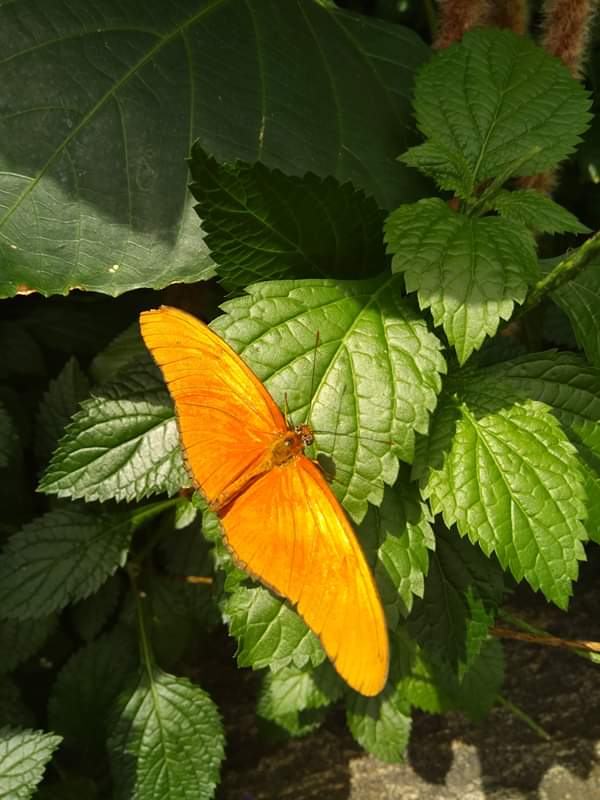
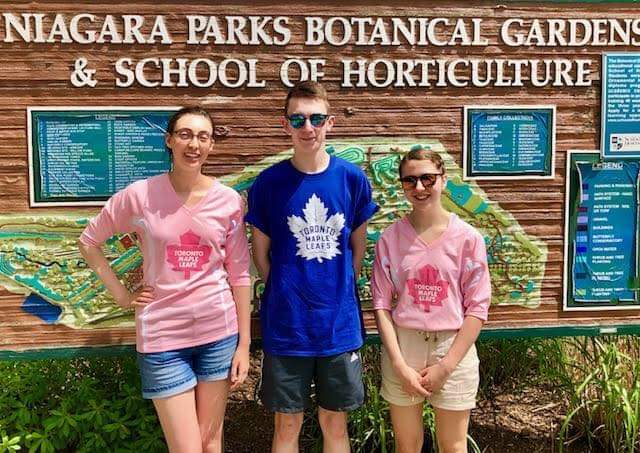
Before we knew it we arrived at the School of Horticulture and the Butterfly Conservatory.in the Niagara Park area. They work closely together to ensure that butterflies have appropriate conditions to thrive and to ensure their welfare. We learnt about the different stages of butterfly development. A butterfly’s lifecycle is made of four stages – egg, larva, pupa and adult. Most caterpillars are herbivores, and have a lifecycle to butterfly of around 28 days. It was a great way to see how living organisms adapt to their environment, as seen by the bright colours of the butterflies wings that correspond to their differing local backgrounds and how important they are in distributing pollen to plants. One third of everything we eat has been a product of pollination.
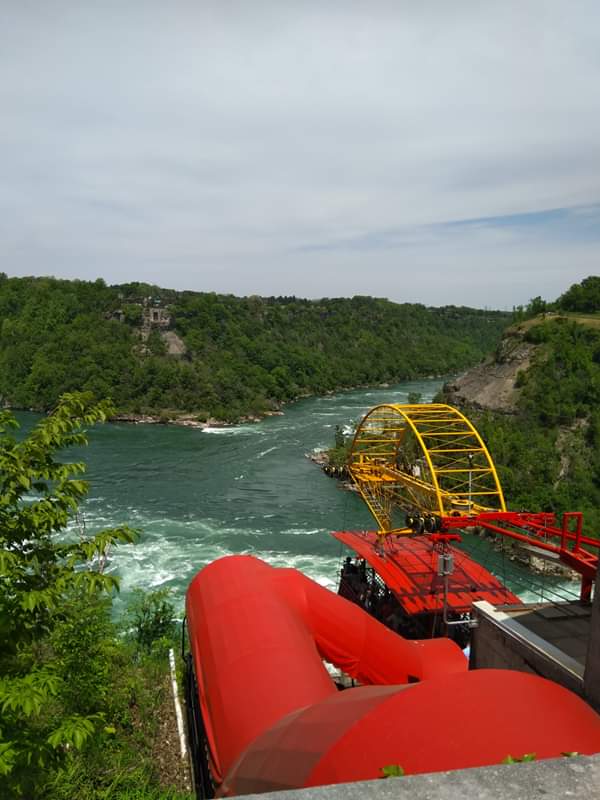
Next stop was the drive down by the edge of the Niagara River! We stopped at one point to board a Whirlpool cable Aerocar across the Niagara Gorge where the water from the Falls roars. It was terrifyingly high up but had amazing views. We actually crossed the border between Canada and America four times, as the two countries at that point are separated by the river.
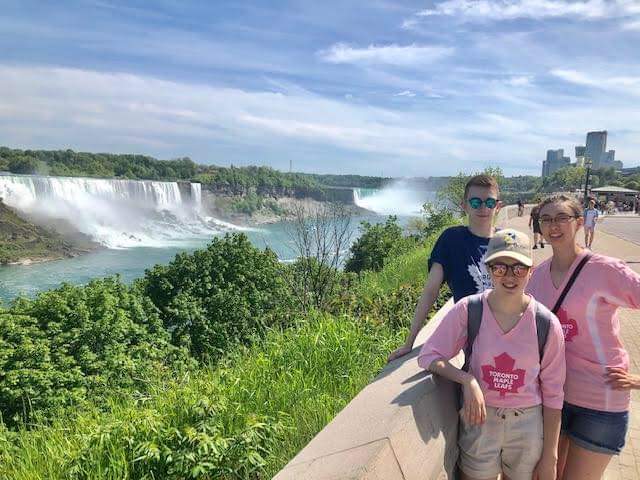
Eventually we arrived at the Falls area where there are actually two – the American and Canadian Horseshoe Falls. We took an elevator down to the river level and boarded a large powerful boat called the Horn Blower to take us right up to the base of the massive Horseshoe Falls ! We were all provided with ponchos prior to boarding, and for good reason! It brought us so close to the falls that we were soaked by the spray and mist coming off the falls. They were so much bigger than any of us expected, and we got really close to them. It was an exhilarating experience.
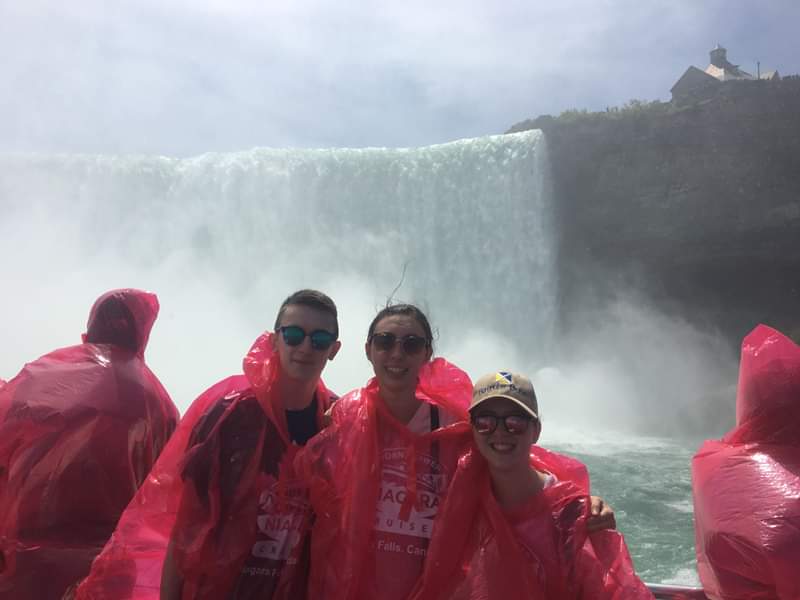
There are actually three main falls tat that point of the Niagara river – American Falls, the Bridal Veil Falls and the Canadian Horseshoe Falls. The average flow rate over the Horseshoe Falls is 2400 cubic metres per second. Niagara Falls is famed for its beauty and as a valuable source of hydroelectric power. The Niagara River is one of the world’s greatest source of hydroelectric power.
Leaving the Falls area and heading to our new home in Mississauga, we passed by the Sir Adam Beck Hydroelectric Generating Station. The station diverts water from the Niagara and Welland Rivers above Niagara Falls which is then released into the lower portion of the Niagara River through penstocks that turn generators, and together produce up to 1,997 MW per hour. At the time it was built, it was the largest hydroelectric power plant in the world and supplies electricity to much of eastern Canada and the northeastern United States
After a most enjoyable and informative day at Niagara we proceeded to make our way to our next ‘home away from home’ at the Oscar Peterson Residence at The University of Toronto Mississauga campus. – named after the prolific Canadian jazz pianist and composer.


