Day 6

Today was the first day in our new residence at the University of Toronto’s suburban Mississauga campus, 30 miles from Toronto. We were met and shown around the sprawling campus by one of the Gunning Group’s researchers, Barry, and then taken to Dr Gunning’s laboratories where the highly educated international team research cancer cell lines.

It was fascinating to hear Professor Gunning, a Scot who lived and was educated on the Isle of Bute and was the first recipient of the Baird of Bute Scottish Innovation Award, talking about the highly technical instruments used in the research undertaken by the team.

We were introduced to Tudor Radu, a PhD student who is currently studying what substances inhibit proteins seen in cancerous cells in order to find treatments. It was interesting hearing about how cancer cells are grown in labs using a growth medium that contains an antibiotic FBS and growth factor. The antibiotic and sterile environment the cancer cells are kept in ensures bacteria don’t contaminate it. 

Everything that goes into the biosafety cabinet that the cells are handled in is sprayed with 70% ethanol which prevents contamination. The growth medium needs to be changed every two to four days as it is depleted by the cells. This requires a centrifuge to separate the cells and growth medium to different layers in the test tube. As the cancer cells are denser and heavier they are found on the bottom of the test tube. The depleted medium is on top and has to be carefully removed with a vacuum device. New growth medium is added to the cells before a small amount of the solution is taken using a pipette. This drop of solution was put on a haemocytometer and the number of cells counted on the corner squares. This allows the number of cancer cells per mililitre to be calculated to see if the researcher has enough cells for their experiment. 
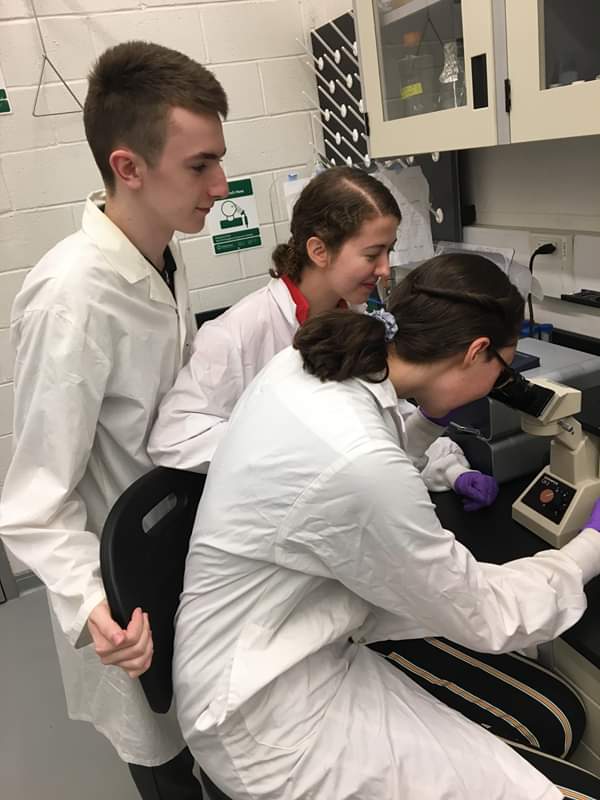
We used a ultrasonic bath (sonicator), which is a machine that applies sound energy to a small volume of water in order to break up larger molecules within a solution. We used it along with a vortex, which thoroughly mixes small vials of liquid, to dissolve the fragment in solvent. We measured small volumes of the fragment using micro pipettes and prepared many aliquots of the solution. This fragment had been identified by a computer generated active site investigation as a strong binder to the target protein molecules and there for required further testing against proteins, human cells and cancer cells. 
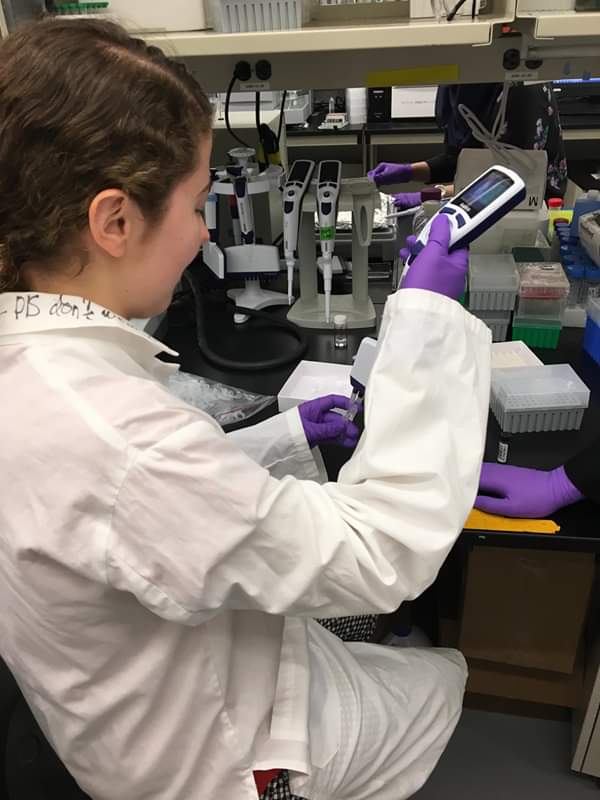
This fragment could become an important inhibitor of a major protein involved in cancer. It was very exciting to be working with a promising lead in the battle against cancer and the gravity of the teams research became obvious. 

Tudor planned on using two methods to identify whether the fragment had successfully bound to the active site of the protein during competitive inhibition. The first was an ELISA, which is a type of immunoassay. In this case, peptides were attached to the base of the well. If the protein was not inhibited by the fragment in question, it phosphorylated the peptide. The first antibody then bound to the phosphate groups, and, if successful, a rabbit anti-phosphate substrate bound to it, which was then bound to by a donkey anti-rabbit antibody, which was linked to HRP enzyme, which glows in response to the addition of its substrate. The well was washed between additions of antibodies to ensure no false positive results occurred. The more active the enzyme, the more phosphorylated the peptide, resulting in a solution that glowed more brightly. The brighter it was glowing, the less effective the inhibitor fragment in question was at preventing the enzyme from functioning. This meant that it may be a less effective drug in competitive inhibition with the natural molecule essential to the function of the cancer cell.

The second method was called SPR, which is where a gold chip is coated with a charged plasma layer with thiols attached. A protein is placed on the surface of the gold chip, and light of a specific wavelength is directed at 90 degrees to the surface of the chip. The angle is then altered until constructive interference occurs and the gold chip can absorb that wavelength. The greater the mass of the protein, the greater the angle is required for constructive interference to occur. The angle required allows the investigator to identify whether the fragment had bound to the protein or not depending on its mass.

We had an excellent first day at the Gunning Group. It was fascinating to learn the different processes involved in their research and the many types of equipment required to pursue it.
Day 5

This morning, we packed up our bags and were picked up by Mr Markwell as we were leaving our accommodation in Downtown Toronto to spend the next week at the University’s Mississauga campus in the Gunning Group cancer research labs.

All three of us had been looking forward to today’s excursion for quite some time, as included in the trip is a visit to Niagara Falls!

After a good old Tim Horton’s for breakfast, we began the 90 mile road trip to the Niagara Region. We passed some beautiful scenery along the way. It was great to see more of the residential, suburban and farmland areas of Ontario – much different than downtown Toronto. Niagara is a wine region and vineyards are prevalent throughout the county side. We even passed through a small town, Jordan, modelled on a British town, it was so strange!

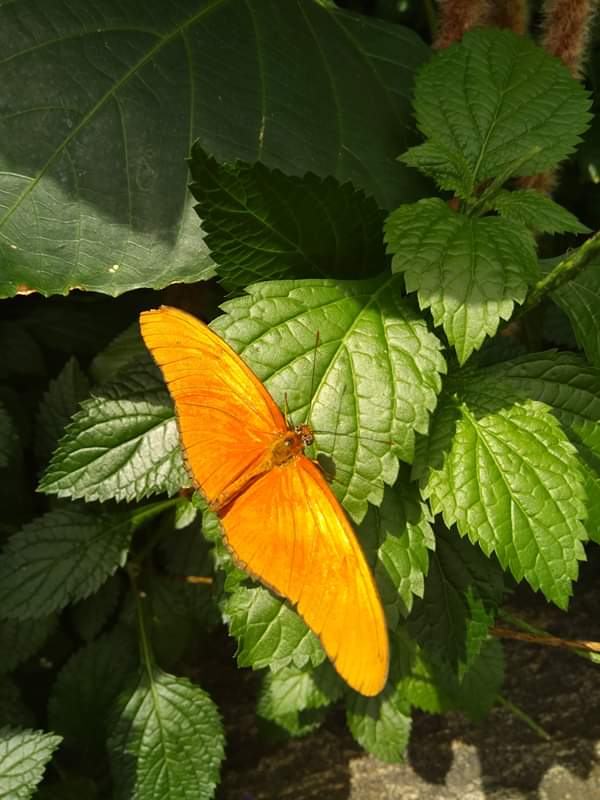
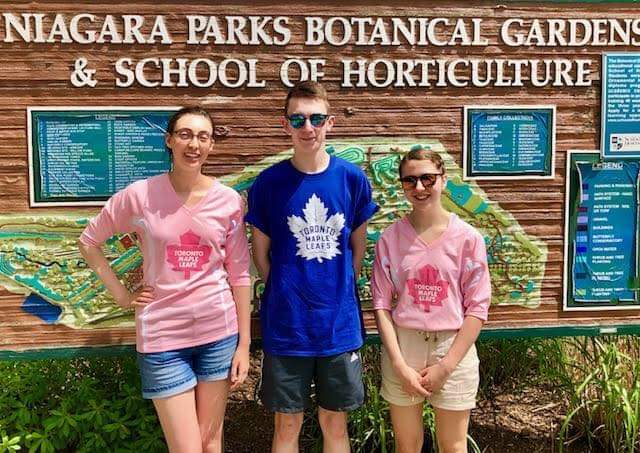
Before we knew it we arrived at the School of Horticulture and the Butterfly Conservatory.in the Niagara Park area. They work closely together to ensure that butterflies have appropriate conditions to thrive and to ensure their welfare. We learnt about the different stages of butterfly development. A butterfly’s lifecycle is made of four stages – egg, larva, pupa and adult. Most caterpillars are herbivores, and have a lifecycle to butterfly of around 28 days. It was a great way to see how living organisms adapt to their environment, as seen by the bright colours of the butterflies wings that correspond to their differing local backgrounds and how important they are in distributing pollen to plants. One third of everything we eat has been a product of pollination.

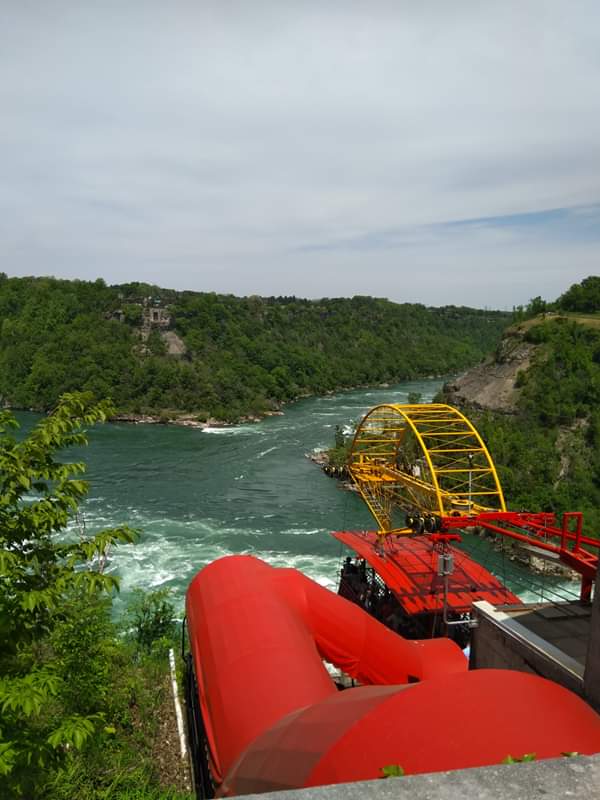
Next stop was the drive down by the edge of the Niagara River! We stopped at one point to board a Whirlpool cable Aerocar across the Niagara Gorge where the water from the Falls roars. It was terrifyingly high up but had amazing views. We actually crossed the border between Canada and America four times, as the two countries at that point are separated by the river.

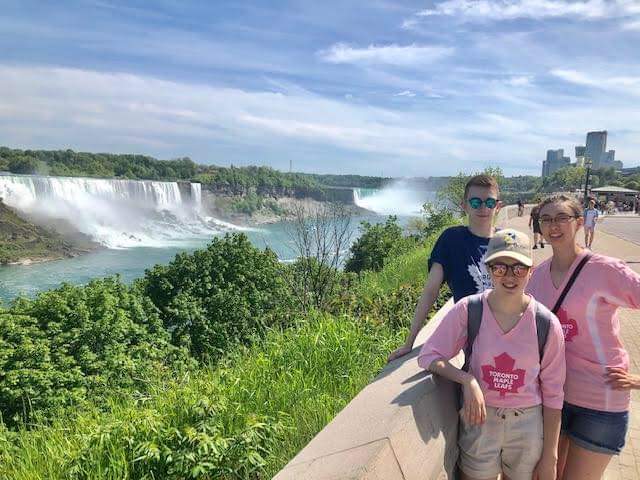
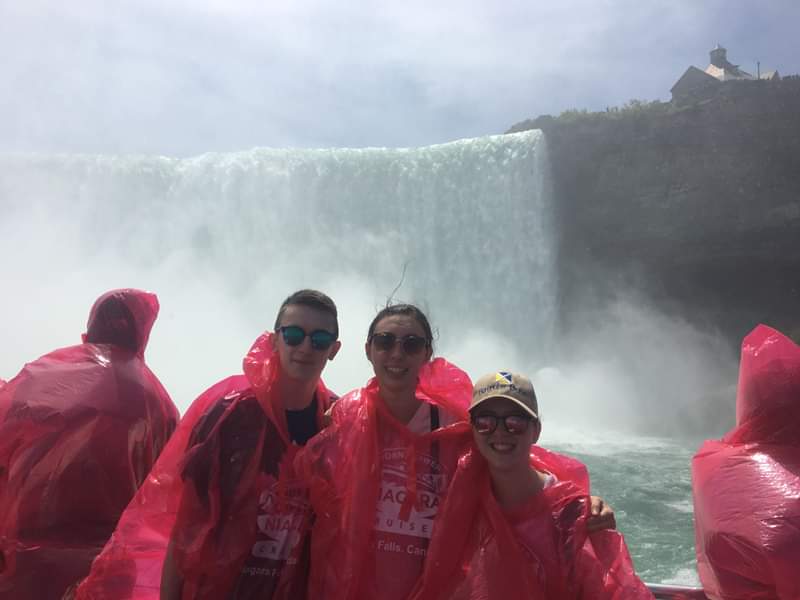
Eventually we arrived at the Falls area where there are actually two – the American and Canadian Horseshoe Falls. We took an elevator down to the river level and boarded a large powerful boat called the Horn Blower to take us right up to the base of the massive Horseshoe Falls ! We were all provided with ponchos prior to boarding, and for good reason! It brought us so close to the falls that we were soaked by the spray and mist coming off the falls. They were so much bigger than any of us expected, and we got really close to them. It was an exhilarating experience.

There are actually three main falls tat that point of the Niagara river – American Falls, the Bridal Veil Falls and the Canadian Horseshoe Falls. The average flow rate over the Horseshoe Falls is 2400 cubic metres per second. Niagara Falls is famed for its beauty and as a valuable source of hydroelectric power. The Niagara River is one of the world’s greatest source of hydroelectric power.

Leaving the Falls area and heading to our new home in Mississauga, we passed by the Sir Adam Beck Hydroelectric Generating Station. The station diverts water from the Niagara and Welland Rivers above Niagara Falls which is then released into the lower portion of the Niagara River through penstocks that turn generators, and together produce up to 1,997 MW per hour. At the time it was built, it was the largest hydroelectric power plant in the world and supplies electricity to much of eastern Canada and the northeastern United States

After a most enjoyable and informative day at Niagara we proceeded to make our way to our next ‘home away from home’ at the Oscar Peterson Residence at The University of Toronto Mississauga campus. – named after the prolific Canadian jazz pianist and composer.

Day 4

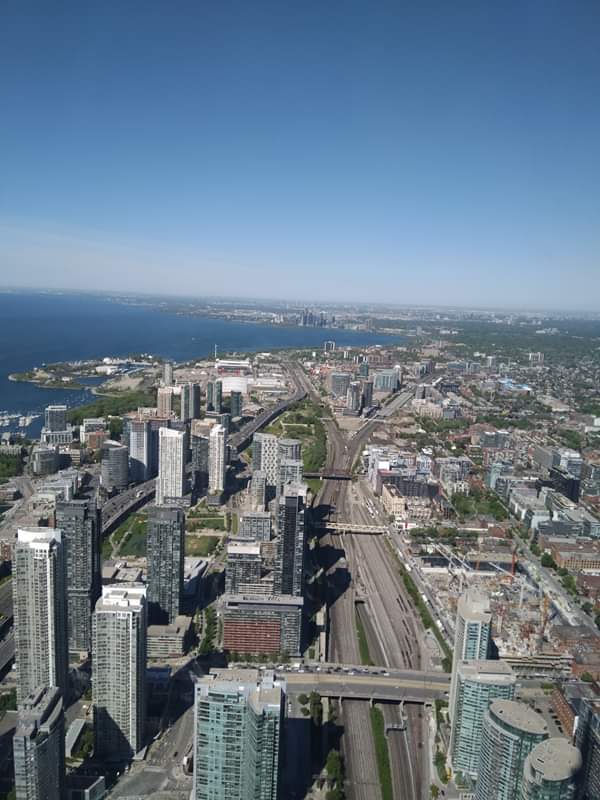
This morning, we woke up bright and early to catch the subway from Wellesley subway station to Union Station to visit the CN Tower. It is a communications and observation tower 625.09 metres above sea level, and for 30 years, until 2007, it held the world record as the tallest freestanding structure.

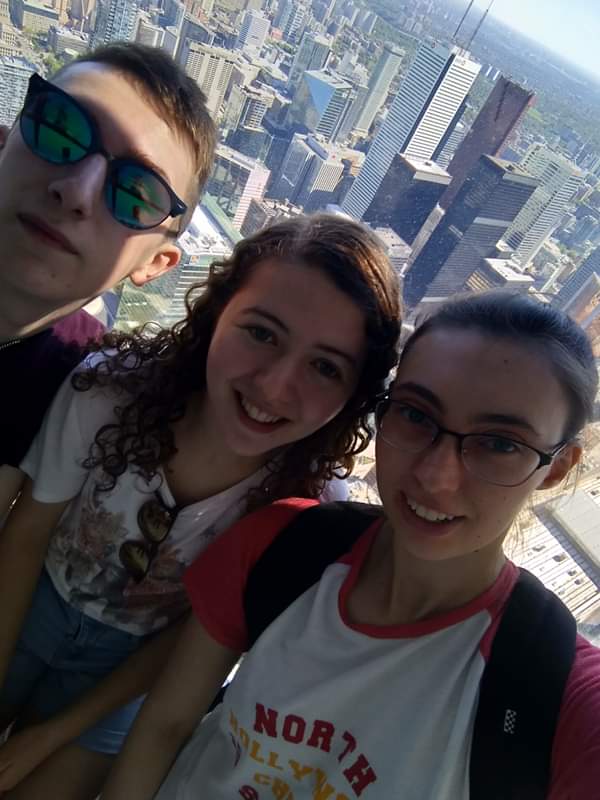
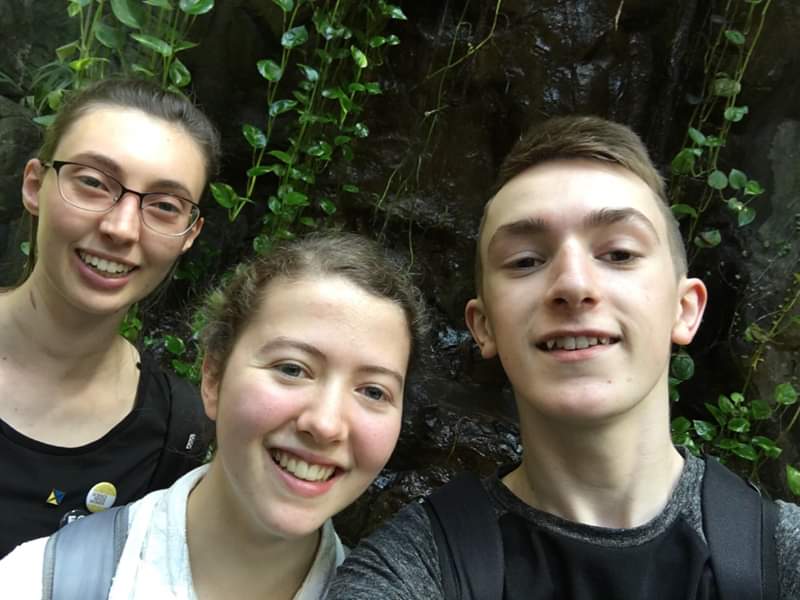
As you could imagine we felt rather giddy at the top! The glass you see us standing on, (in the photo below) is 342 metres above the ground and can withstand the weight of 14 hippos, which was a welcome reassurance.

What an incredible view of an incredibly large city!

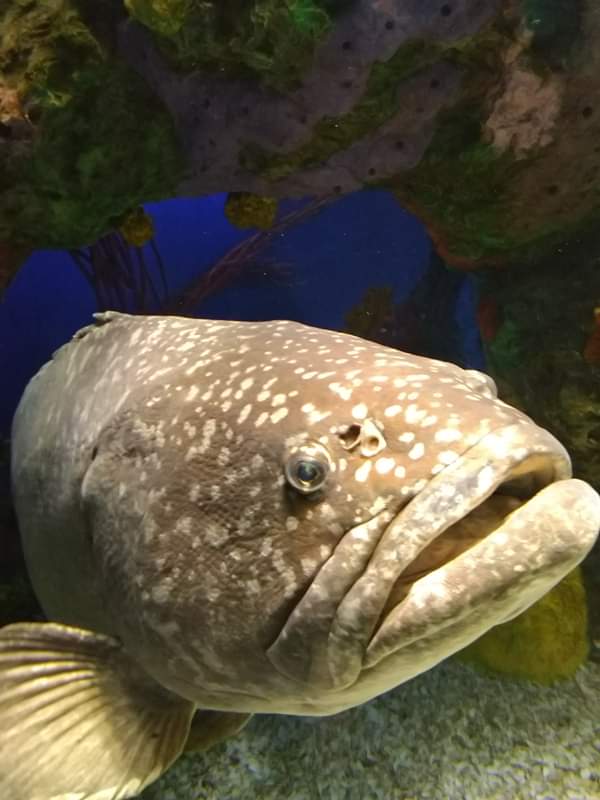
We then walked across the square and visited Ripley’s Aquarium, which had an incredible array of sea creatures such as sawfish, green back turtle, squirrelfish, and nurse shark. Our favourite part was the tunnels through the aquarium which allowed you to get up close to the marine animals and experience what it would like to be underwater with them. We even got to touch a white spotted bamboo shark!

A prevailing theme throughout the exhibits was climate change and it’s effects on marine flora and fauna, a very topical and important issue at the moment.

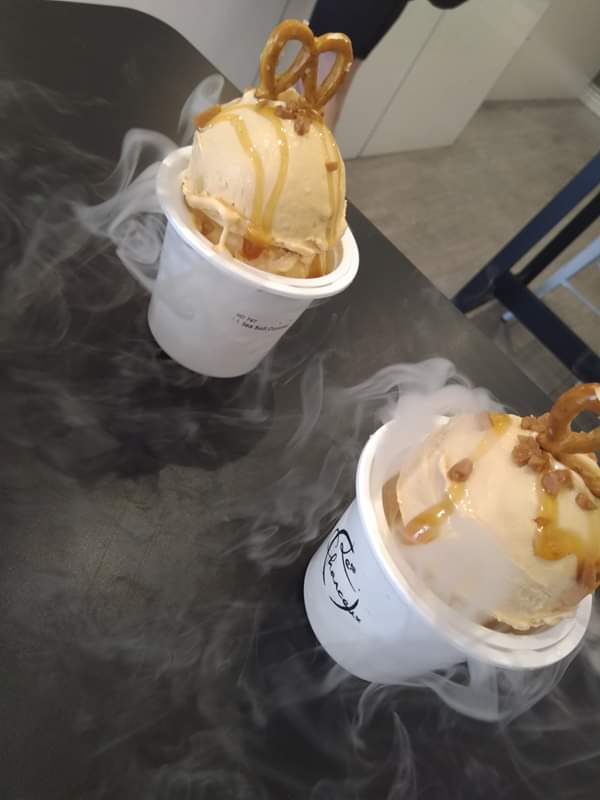
We then went for lunch and topped it off with some ice-cream made using liquid nitrogen. The low temperature of the liquid nitrogen allowed the ice-cream to be prepared in minutes and resulted in a delicious and smooth consistency.

Afterwards, we had a stroll up Yonge Street and went into some local shops.

In the evening we met Dr Markwell and Mr Markwell at the Royal Canadian Military Institute in downtown Toronto where we enjoyed an in depth discussion on bioethics and its application in both research and clinical practice. We are, under the supervision of Dr Markwell, completing the TCPS2 on line certification programme for training in the international norms of ethical behaviour in human research.

We discussed, and prepared for, our upcoming visit to the Gunning Group at University of Toronto Mississauga and the application of an ethical approach to the Scientific Method. Dr Markwell is the Chair of Bioethics at the university in Ottawa and an internationally known bioethicist and clinical consultant.

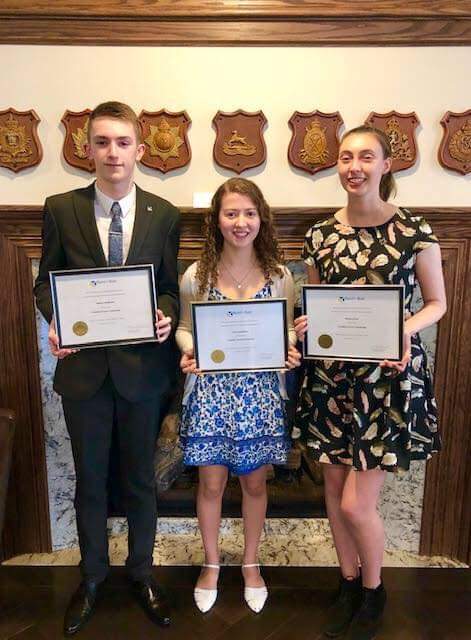
Mr Markwell then presented us with our certificates marking our selection for, and participation, in the programme. We were treated to a delicious 3 course meal by our generous hosts. The food was excellent and we thoroughly enjoyed meeting Dr Markwell. It was a fantastic end to the day.

Day 3

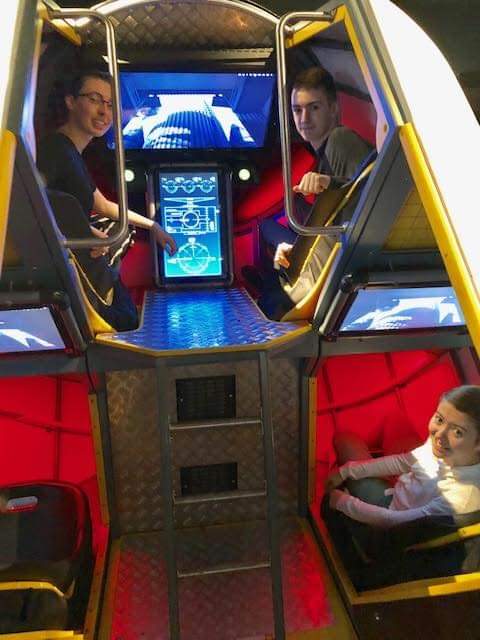
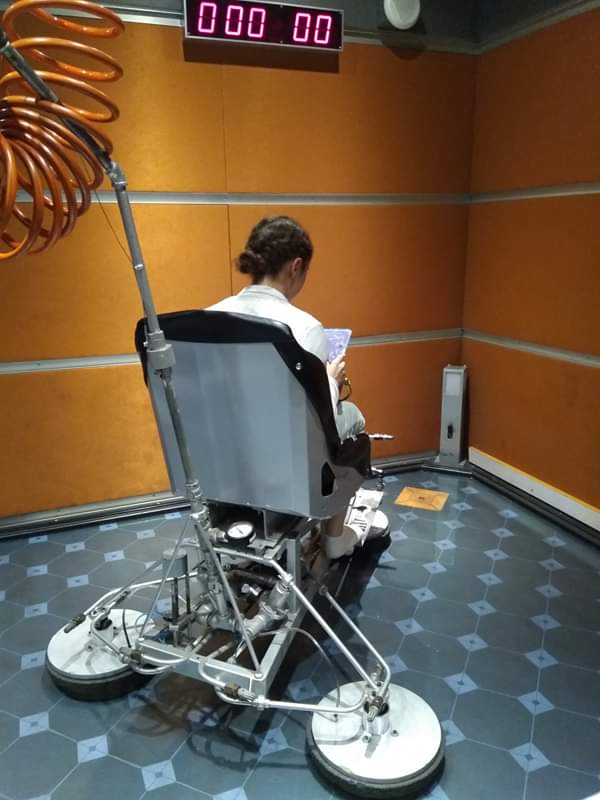
After another lovely breakfast at McDonalds as we headed to the Ontario Science Centre for our second day of exploration. We began at the new Space Exhibit, which consisted of a variety of interactive stations where we hands on investigated topics such as space exploration and life as an astronaut in space. Stations included a projectile launcher, fitness and personality tests for an astronaut, and a simulation of a rocket launch as we sat inside a replica command module . It was fascinating to learn about and, in demonstration, feel the extreme physical demands on astronauts and the technological requirements for space exploration.

We were then lucky enough to watch a screening of ‘The Great Bear Rainforest’ in the enormous iMax cinema. (a Canadian invention). All of us found it to be a truly immersive and inspiring experience – we felt as though we really were in the wilderness of the rugged Pacific coast of Canada’s province of British Columbia . We learnt about the important work done by the indigenous people on conserving their native habitat and their revered, endangered and uniquely pure white Spirit Bears endemic to that area (only 200 remain in the World). Young local indigenous people are heavily involved in carrying out field research to analyse DNA samples to determine the bears’ fitness, sex and heath. This data is used to better protect and maintain the species, their natural environment, for the people who so depend on their contributions to their environment and lives.

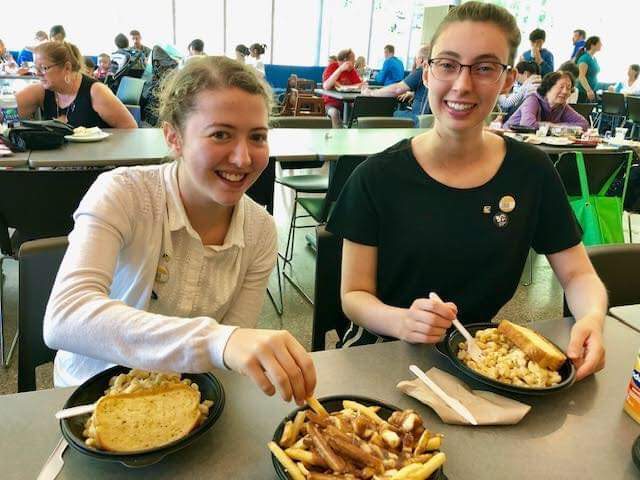
For lunch, we tried the local famous Canadian delicacy ‘putine’, which consists of chips with gravy and cheese curds. It was a great way to immerse ourselves in the local culture. Two out of three of us enjoyed it!

After lunch, we visited to the Moon exhibit, and were fascinated by the section on cosmic radiation. One installation in particular caught our interest. It consisted of a tank containing a cooled oil solution, which showed for a brief moment the path of particles passing through the tank. There was also amazing images of paths made by particles when they collided in a particle accelerator.

Then, we visited an exhibit on rainforests where we met the resident poison dart frogs and rat snake. The OSC has an outdoor replica of a rainforest with real rain. After that we visited the Physics exhibit, where there was a replica of a cave and many demonstrations on light and sound waves.

The Ontario Science Centre, one of the first of its kind in the World, is a fantastic action-packed and attractive facility, staffed by high level scientists and educators and we thoroughly recommend a visit if you are ever in Toronto. It was a great way for us to ease our way into our “Bench to Bedside” two week programme by providing a broad interactive presentation of so many aspects of Science while allowing us to adjust to the 5 hour time difference and the incredibly fast pace of this huge beautiful city.

In the evening we decided to visit the local shopping centre, Toronto Eaton Centre (once the World’s largest indoor mall) to hit the many shops and find a bite to eat in the Food Court before we headed back up town to Sorbara Hall Residence for some well deserved rest.

Next stop, next week, is Dr Gunning’s cancer research lab at the Mississauga campus of University of Toronto west of the city. we eagerly look forward to 5 days of hands on involvement with this internationally recognised group of research scientists; but first the weekend inToronto’s sunny 25C weather.

Day 2

This morning we were treated to a McDonalds breakfast directly across from the Science Centre. Upon arriving at the OSC, which is this year celebrating its 50th anniversary, we met Christine Pigeon, the Experience Coordinator, who took us on a unique backstage tour of the centre. We got to see the processes involved in designing and creating the interactive exhibits by talking to a designer and Artifacts Coordinator. It was really interesting to learn about the hard work and multidisciplinary approach involved in creating each exhibit.

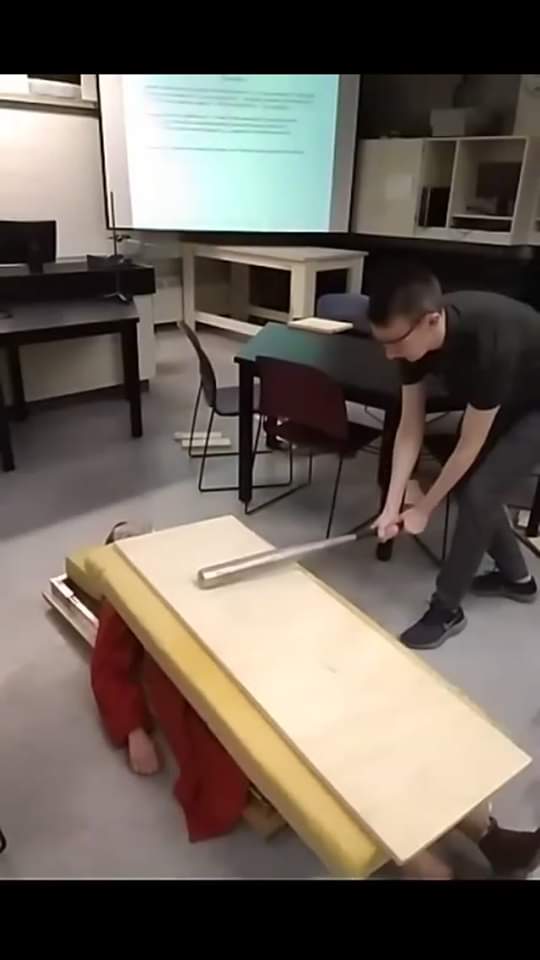
We then attended a physics class on momentum and collision at The OSC Science School with final year secondary school students from all over the province of Ontario. As part of an experiment we calculated the minimum speed required to karate chop a board in half. We all gave it a go, it was painful but hilarious and we’re pleased to say that we were all successful (eventually). We then did another hands on experiment on weight distribution, where Lauren lay on a bed of nails and Andrew hit her with a baseball bat! Due to the surface area of the nails and spongy protection she didn’t feel a thing. It was great to meet Canadian pupils our age, also entering University in September with similar interests to ours.

After the lab lesson at the OSC School, we explored the Human exhibit, which incorporated many aspects of human biology and development. There were several interesting displays, such as one demonstrating the effects of concussion in contact sports such as ice hockey, even while wearing a helmet. It had a big impact on us, but the noise really did our head in (puns intended). There was also a fascinating exhibit on the human risks involved in climbing Mount Everest. It was eye opening to learn the extent of the risks and and hazards involved in completing the expedition at incredible height with 30% oxygen, especially in the light of the recent congestion and death toll recently.

One of the OSC Hosts then gave us a fascinating tour of an exhibit on “bias as an ethical issue affecting scientific research”. It linked in very well with our TCPS 2 core certificate course we are completing on line and acted as a great introduction to our time learning about ethical research practices with Dr Markwell later on in the week.

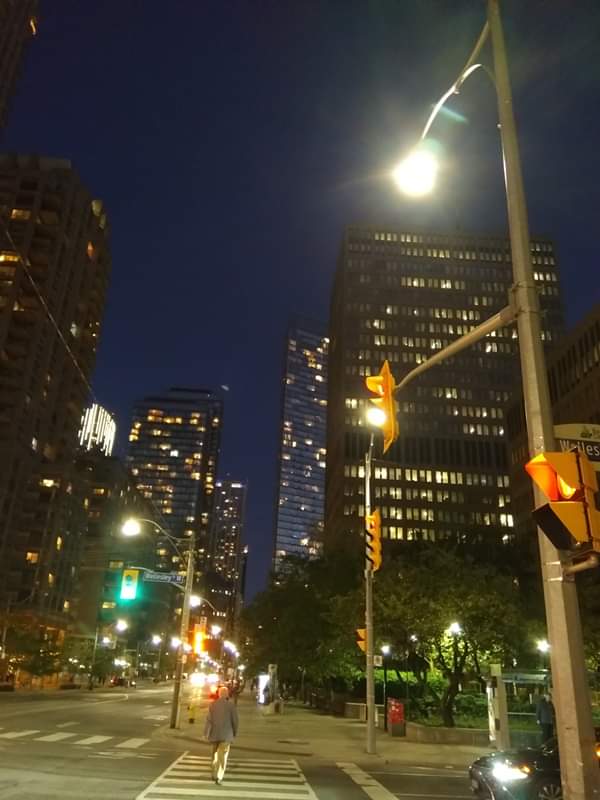
In the evening we went for a stroll together up Yonge Street, the longest street in the World, to explore the local downtown area. The incredible skyline was beautiful with all the skyscrapers lighting up the night sky. It was a lovely end to the day.

Day 1

We all first met at the Holiday Inn Express hotel at Glasgow Airport, the night before we were due to depart for Toronto. We couldn’t believe that we were finally meeting for the first time, and were pleased that we got on really well.

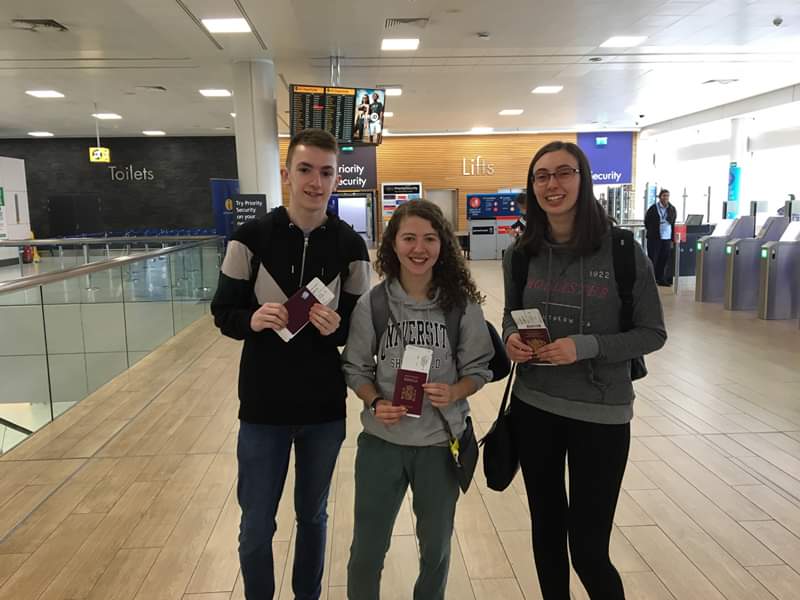
The next morning we had a lovely breakfast together in the hotel, before we made our way through the walkway to terminal 2 the airport. First, we checked in at Air Transat and then went through security. Then it was time to board the plane. The first flight for one of us!

The journey in this lovely plane went by faster than we expected. We passed the time by watching two films, Atlantis and Crazy Rich Asians, and playing noughts and crosses and hangman. We also had plenty of time to get to know each other. However, the food, which was suprisingly good, was definitely the highlight of the journey.

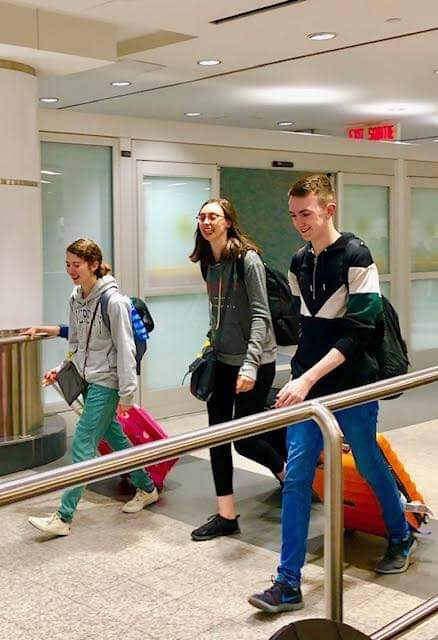
After almost seven hours in the air, we were finally in Canada! Upon arrival at Toronto’s Pearson International airport, we were met by Mr Markwell, Chair of the Baird of Bute Society and Scholarship host, who took us on a road tour through Toronto, a beautiful city of more the 5 million people, to the University of Toronto campus where we would be staying in the Sorbara Hall Residence for the next few days. We were quickly made at home by the rain and fog that had travelled with us from Scotland.

After successfully checking in to our Residence accommodation, we visited a local favourite, Tim Horton’s (a popular fast food chain all across Canada) for a quick and tasty bite to eat, before some well deserved rest after an exhausting day of travel and relocation.

Introductions

Hello! Welcome to the Baird of Bute Science Scholarship 2019 blog, we hope you’ll enjoy reading about our trip.

Firstly, we thought we’d introduce ourselves.

My name is Lauren, I’m from Edinburgh, and I’m going to the University of Aberdeen to study Biotechnology. I aspire to work in the environmental sector. I like to ski and play the drum kit.

Hi I’m Rebecca and I’ll be studying Biomedical Engineering at Glasgow University. In the future I’d like to research medical technology. I’m from Edinburgh and I play violin and like hiking.

I’m Andrew and I plan on studying Biomedical science at Strathclyde. I am from the Isle of Bute and I like everything outdoors. I hope to work in NHS labs in the future.

We are so excited about the trip, and very grateful for this opportunity.

Andrew, Lauren and Rebecca

Welcome to the Scholarship

Baird of Bute Society Canadian Science Scholarship 2019

The Baird of Bute Society employs the example of the isle of Bute’s own, blacksmith and early aviation enthusiast, Andrew Baird to inspire the youth of Scotland to aspire to achievement in their lives through a series of inspiring programmes, awards, scholarships and school activities. see http://www.bairdofbute.co.uk

2019 marks the sixth year the Society has offered our unique and inspiring Canadian Science Scholarship to three students from across Scotland. Participants must be 18 years of age, have completed S6 and be entering a science programme at a Scottish university.

The programme, entitled “From Bench to Bedside“, is offered in Toronto, and environs, and this year runs from June 6 – 20 and is presented at, and with the generous assistance of, the Ontario Science Centre, University of Toronto, The Gunning Group, University Health Network and others.

The scholarship has been developed to provide three young people a unique opportunity, in Canada, to acquire in-depth hands-on experiences and science skills to allow each to better succeed in their upcoming university studies and careers.

The programme mentors are, for the “bench” research portion, Professor Patrick Gunning and, for the healthcare delivery “bedside” portion, Professor Hazel Markwell.

The Society is pleased to receive the funding for two of the students from the Scottish Government while the participant from Bute is funded by the Bute Family Charitable Trust and The Hunter Foundation. We are most grateful for their assistance and support.

Each day Rebecca, Andrew and Lauren will share their experiences with you here on this blog. Please drop in from time to time and catch up with what their doing and share the excitement of their unique opportunity.

On behalf of our Patron, RAF Air Chief Marshal Sir Steven Hillier, and the Trustees of the Society, I wish them safe travels and a very rewarding two weeks in Canada.

Christopher Markwell

Chair, Baird of Bute Society

Baird of Bute Society is registered as charity (SCO42490) by the Office of the Scottish Charity Regulator (OSCR)